
LIC Statement on the Beirut Explosion
LIC STATEMENT ON THE LATEST DEVELOPMENTS IN LEBANON
August 18, 2020
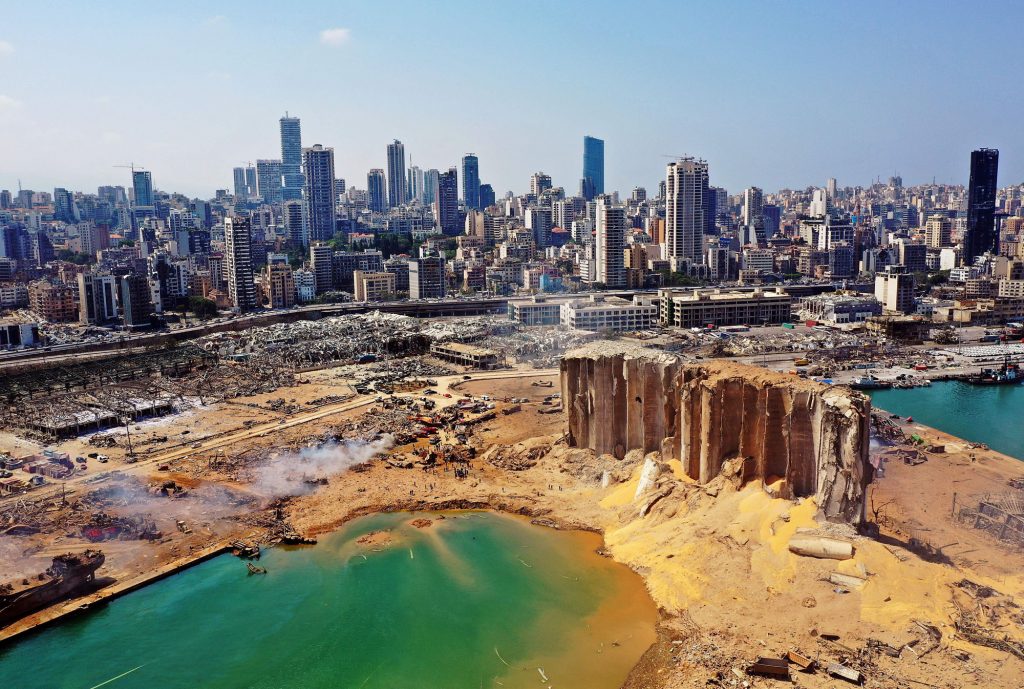
At around 6:10pm on Tuesday, August 4, 2020, a massive explosion rocked the Lebanese capital, causing catastrophic damage that was unprecedented even for Beirut, which has seen several rounds of war in the last five decades.
The blast, seemingly caused by the storage of some 2,750 tons of ammonium nitrate in Warehouse 12 at the Beirut Port, left more than 170 dead and nearly 6,000 injured, in addition to dozens of missing persons. The explosion caused severe damage to residential buildings, factories, shops, and hospitals estimated at up to $30 billion. The destruction spread over miles from the epicenter of the explosion in one of the most densely populated cities on the Mediterranean and has left some 300,000 people without homes. Without a doubt, it has only exacerbated the dire economic crisis gripping Lebanon for the past year.
In view of this calamity, the LIC extends its deepest condolences to the families of the victims and wishes the wounded a speedy recovery. We are also very appreciative of the swift worldwide response in support of the Lebanese people, especially from the United States, which has generously allocated $18 million to the relief effort and has provided technical support to the blast probe through the Federal Bureau of Investigation.
In the immediate aftermath of the explosion, the LIC launched several initiatives to aid and assist the Lebanese people:
- The LIC engaged a number of Lebanese political, humanitarian and civil society groups in Lebanon as well as the Lebanese Army command in order to determine the most efficient pathway for aid and relay this information to decision-makers in Washington.
- The LIC contacted a number of senior officials in the U.S. State Department, the Pentagon, members of the U.S. Congress, relevant congressional committees and subcommittees, the U.S.-Lebanon Friendship Caucus, and the U.S. Agency for International Development. The discussions centered around providing the most possible aid directly to the Lebanese people, especially in medicine, food and other crucial supplies.
- The LIC mobilized its chapters around the nation, launched direct fundraising campaigns and collaborated with other U.S.-based charity groups such as the ‘Children of Mary’ to raise hundreds of thousands of dollars in aid to those affected by this tragedy.
In closing, the LIC:
- Expresses its sincere appreciation to individuals, organizations, and countries that have contributed to the relief effort, especially the United States.
- Demands an independent international commission of inquiry into the cause of the blast and the conditions in which these materials were stored
- Condemns the irresponsible manner in which Lebanese authorities stored these hazardous substances and their refusal to accept an international investigation.
- Stands with the Lebanese people in demanding a change of power through early parliamentary elections, allowing the country to restore the foundations of a true sovereign state and recover from the hegemony of armed militias, neglect and corruption.
- Emphasizes that all assistance should be provided directly to those affected and not to corrupt and irresponsible Lebanese authorities.
- Remains steadfast in its commitment to help the Lebanese people in their struggle to reclaim their country and to represent their voice in the United States.
###